

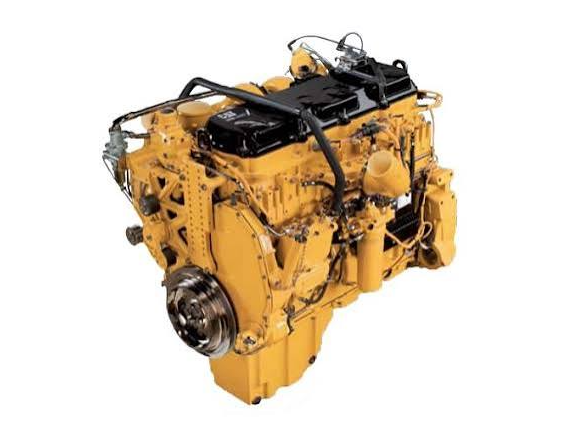
When a compressor or generator fails at 2 AM, it won’t wait for business hours. If your CAT preventive maintenance kits aren’t already on the shelf, you’ve stopped maintaining and started scrambling. This is especially critical in Pakistan, where the stakes are higher than in most markets. Here’s why having these kits on hand is essential — and how to design an inventory strategy that actually withstands real-world conditions.
What’s Included in a CAT Preventive Maintenance Kit
Instead of tracking down individual parts for each service, a preventive maintenance kit packages all the routine service items for a specific interval into one ready-to-use set.
– Correctly sized engine oil and fuel filters for the exact CAT engine model
– Air intake filters tailored to the machine’s system
– Coolant and, when required, coolant conditioner/filters
– Common gaskets, seals, and small fasteners needed for typical maintenance tasks
– In some kits, drive belts or other wear components, depending on the equipment and service scope
Beyond convenience, the real value is uniformity. Each scheduled service uses the right, model-specific parts every time, avoiding mix-and-match substitutions and helping maintain steady, reliable engine performance from interval to interval.
Why Stock-on-Hand Matters More in Pakistan Than in Many Markets
Overseas lead times are real — and often hard to pin down
When CAT parts are sourced internationally, you’re dealing with ocean or air transit, customs checks, and occasional curveballs. An expected two-week arrival can easily slip to four or five with little notice.
– Customs review timelines fluctuate and are largely beyond a buyer’s control
– Small part shipments rarely get the speed priority of full equipment or bulk freight
– A “buy it when we need it” maintenance approach doesn’t stand up to these constraints
Industrial Equipment in Pakistan Typically Operates Nonstop or Nearly So
In Pakistan, many assets covered by CAT preventive maintenance kits — generators, compressors, and industrial engines — are run for extended periods. That includes factory power systems bridging grid volatility, gas fields keeping compressors online 24/7, and construction fleets racing to meet tight schedules.
– Machines that operate continuously reach service milestones much sooner than those used only intermittently
– Shorter service cycles drive higher kit consumption, making dependable inventory far more critical than for lightly utilized fleets
– When round-the-clock equipment goes down unexpectedly, the operational fallout is greater because there’s little to no spare capacity to cushion the impact
Unreliable Grid Power Puts a Premium on Generator Upkeep
In Pakistan’s industrial sector, on-site generation plays a far larger role than it does in places with steadier utility supply. When load-shedding or blackouts hit, a generator can be the only thing keeping production moving. That makes its maintenance plan less a nice-to-have and more a form of risk management.
– Letting a planned service slip because parts aren’t on hand can leave the unit down right when the grid goes out, nullifying the investment in backup power
– Sites that depend on generators for regular or extended operation typically subject them to heavier, more frequent use than sites that only need occasional standby support
– Stocking complete maintenance kits on-site eliminates a top cause of postponing scheduled service and helps keep maintenance on time
What You Really Pay When Kits Aren’t on the Shelf
Many teams focus on the price of carrying inventory. But the hidden bill for stockouts is often larger, even if it doesn’t show up neatly in accounting.
– Pushing maintenance past its due window accelerates wear and heightens the chance of a major failure later.
– Scrambling for parts at the last minute drives up unit prices and can force you to settle for what’s on hand instead of the right spec.
– Waiting idle for components costs far more per hour than most operators factor in when weighing carrying costs against the risk of downtime.
– Putting off service snowballs problems — skip an oil change and contaminants and wear keep building while you wait.
Building an Inventory Strategy That Actually Works
Build Around the Real Service Cadence of Your Fleet
The intervals printed in the manual are just a baseline. The true maintenance rhythm is set by how intensely each machine is used.
– Log actual run-time hours for every unit rather than relying on calendar dates, especially when utilization varies
– Pinpoint the highest-use machines that will hit the next service milestone first
– Set stocking priorities based on your site’s real usage trends, not one-size-fits-all assumptions
Stock for Your Highest-Criticality Equipment First
Maintenance delays don’t expose every CAT asset on a jobsite to the same level of risk. Stock your spares and kits in proportion to the real cost of downtime.
– Give critical backup gensets first claim on kits and parts; they keep core operations running and outrank nonessential gear
– Put single‑point‑of‑failure assets at the front of the line — if one going down halts production rather than just trimming output, it’s highest priority
– For units working in punishing environments (e.g., dusty, remote field locations), plan for shorter service intervals and faster kit turnover
Choose a Nearby Vendor Who Keeps Parts on the Shelf
A truly local parts partner offers more than just proximity. When a vendor carries real inventory in your area, routine service isn’t slowed by import lead times.
– Ask prospective vendors exactly which items they physically stock and which ones must be special-ordered
– Steady on-hand inventory means you can schedule maintenance around your equipment’s needs instead of waiting on shipments
– A strong relationship with a dependable local vendor also speeds support when unplanned issues arise between service intervals
Plan reorders before supplies run out
If you wait to buy the next kit until the last one is gone, you’ll create downtime. A simple reorder trigger prevents that gap.
– Choose a reorder level tied to your average quarterly kit consumption, and include extra to cover typical lead-time swings
– Check your consumption trends regularly — older assets or shifting workloads can change how fast kits are used
– Carry a larger safety cushion for mission-critical equipment than for lower-priority gear
Ensuring Genuine Kits When Buying in Bulk
Because preventive maintenance kits are used across multiple services, the quality of each piece is as critical as any other part — perhaps more so. A poor-quality filter or gasket in a routine kit can create issues that don’t surface until long after installation.
– Match every part number in the kit to your exact engine model and the prescribed service interval; avoid generic substitutes.
– Ask your supplier where each component comes from and where it’s manufactured — especially filters, since filtration performance varies widely by brand.
– When shipments arrive, examine packaging and labels for uniformity and compare against previous orders from the same source; report any inconsistencies.
Pakistan-specific operating realities that shift maintenance timing
In practice, several Pakistan-centric factors can drive kit replacement needs beyond what a generic manual prescribes.
– Widespread dust and airborne grit at plants and field sites clog intake systems sooner, cutting air filter life and pushing kit changes to occur more often than standard intervals.
– Peak summer heat elevates thermal stress on cooling circuits and lubricants, making shorter service cycles prudent during the hottest weeks.
– Inconsistent fuel quality between regions and vendors influences fuel filter longevity and engine wear, so schedules should be set with this variability in mind.
– Around-the-clock or high-load use — common in gas fields, factories, and time-critical construction — consumes service hours quickly, so intervals arrive sooner on the calendar than they would in lighter-duty settings.
Bottom line
keeping CAT preventive maintenance kits on hand isn’t about being paranoid — it’s about aligning your parts shelf with the realities of hard-running fleets, supply chain lags, and unstable power. Set inventory levels based on how your machines are actually used, put your most mission-critical assets at the front of the line, and partner with a supplier that truly carries local stock instead of relying on distant “fast ship” promises.
If you need dependable access to authentic CAT maintenance kits, browse genuine spares at gencomspares.com.pk or reach out to our team to size on-hand quantities to your equipment’s real service intervals.