

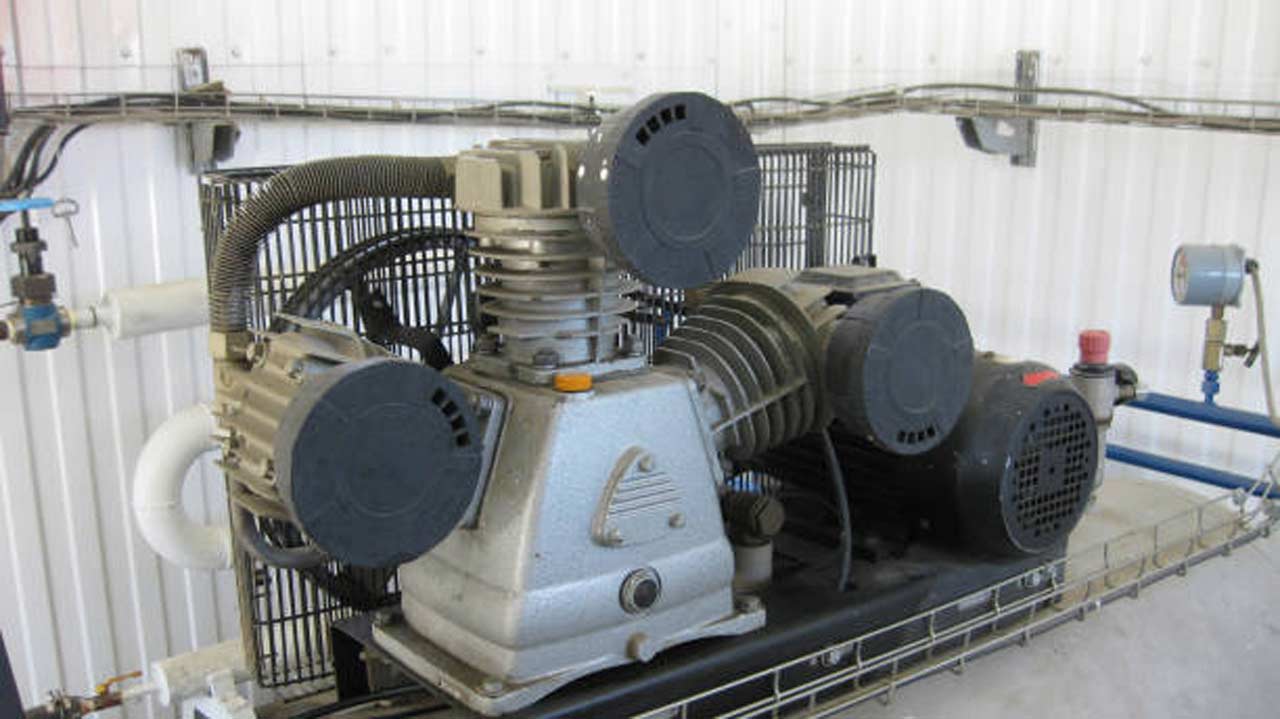
Gas leak from a compressor’s packing gland is rarely an immediate catastrophic failure. It begins as a minor issue, perhaps a faint hissing sound or an only slightly perceptible drop in pressure, growing more noticeable and impactful over time. The rod packing and cylinder overhaul is the procedure that prevents, or in some cases re-establishes, these future sources of leakage. Here’s the information you need to know in order to take care of this compressor repair in Pakistan.
Why Rod Packing Gets This Much Attention
It’s not unusual for a rod packing to be one of the hardest-working pieces of equipment in a reciprocating compressor. It must maintain a gas-tight seal around a reciprocating and often high-speed piston rod, while equalizing the pressure differential and working with whatever lubrication regime the compressor cylinder employs. Rod packings are generally more prone to gradual wear than many other common compressor seals due to this combination of continuous motion and pressure.
– Packing leaks represent a safety hazard, and a waste of compressed gas that has already been produced
– Small packing wear often goes unnoticed before it becomes a major leak, since it generally doesn’t produce an immediate noticeable change in compressor output
– An improperly performed packing overhaul often only masks the source of the leak, delaying future repair work
Rod Packing Assembly Overview
Before getting into the details of rod packing overhaul, it might be helpful to have an overall idea of how these assemblies function mechanically. A rod packing assembly generally consists of a series of rings, in a multi-stage arrangement, that reduce pressure and control leakage along the reciprocating rod.
– Each ring must work in combination with the others, as well as the cylinder itself, in order to provide the required level of sealing
– Ring materials and configurations must be selected to work with the rod’s surface condition
– Ring selection and the overall condition of the cylinder and packing case also affect the performance of the selected rings
Ariel Compressor Rod Packing Overhaul Root Cause Considerations
Looking at why rod packings fail can be an important part of ensuring that your future maintenance work gets the compressor back in good working condition, rather than merely masking the issue for another year or so.
Rod Surface Condition
Scoring, pitting, or excessive wear on the rod surface generally prevents proper ring sealing, regardless of the condition of the rings themselves.
– Rod surface condition tends to degrade gradually as a result of normal operation, but might also be accelerated by contamination or improper lubrication
– Rod surface condition should always be carefully examined as part of any rod packing overhaul work, since it will directly impact the service life of the replacement rings
Misalignment
Packing case misalignment against the rod results in uneven wear and performance around the circumference of the rings.
– Misalignment can result both from gradual normal wear on supporting parts, or improper installation during prior maintenance
– Always verify that the case is properly aligned during a rod packing overhaul, rather than simply assuming that it was correct in the past
Inadequate or Incorrect Lubrication
Packing lubrication must be appropriate for the material of the rings, as well as the gas being compressed and the overall operating conditions.
– Inadequate lubrication leads to premature ring and rod wear, while excessive or incorrect lubrication can be problematic in itself, depending on the application
– Always review and consider the lubrication practice used in the application, rather than simply following prior practices
Incorrect Ring Material or Design for the Application
Ring material must be suitable for the gas composition, pressure, temperature, and rod speed of the application.
– An arrangement that worked well in the past may have been completely inappropriate for current conditions, such as a change in gas composition
– Ring material suitability should always be considered during a significant rod packing overhaul, rather than simply using whatever rings were present in the past
Ariel Compressor Rod Packing Overhaul Maintenance Practices
Disassembly and Documentation
Always document the condition of each ring and its position in the case, in order to determine why it needed replacement.
– Pay particular attention to any unusual patterns of wear on individual rings
– Always take photographs of the component, for your reference and for future use in diagnosis
Rod Inspection and Reconditioning
Measure the diameter of the rod, and check for out-of-round or tapered wear on the surface.
– Always inspect the rod for scoring, pitting, or other surface irregularities that might affect ring performance
– If the rod surface condition is unacceptable, reconditioning or replacement should be considered in place of simple ring replacement
Case and Alignment Verification
Check the case itself for wear or distortion that might affect ring performance.
– Always verify proper alignment between the case and the rod, rather than assuming that conditions are the same as in the past
– Correct any misalignment issues before proceeding to the next step, since it will provide little benefit to install new rings in a misaligned case
Selecting the Right Replacement Packing
Always confirm that the ring material and design are appropriate for the application.
– Consider whether current operating conditions might be significantly different from when the rings were originally installed
– Make sure to source packing components from a supplier that understands Ariel compressor applications in general, and your specific frame and cylinder configuration in particular
Proper Installation Technique
Always follow the recommended procedures for ring installation, including orientation.
– Always ensure that rings are properly seated during installation, and check for any binding or misfit
– Always use the appropriate lubricant during ring installation, per manufacturer recommendations based on your specific ring selection
Cylinder Overhaul Considerations for Leak Prevention
Rod packing operates in concert with the cylinder, and needs to be considered during any major overhaul.
Cylinder Bore Inspection
Measure the diameter of the bore at several points and directions, looking for out-of-round or tapered wear.
– Always inspect the bore for scoring or other damage that might affect ring performance
– If measurements indicate that the cylinder bore is out of spec, it should be reworked or replaced as appropriate
Piston and Ring Condition
Inspect the piston for wear, cracks, or other damage at ring lands.
– Measure the ring gap and compare it to specifications, replacing any rings that are worn beyond acceptable limits
– Ensure that rings are oriented properly during installation, and that they are staggered as recommended
Gasket and Seal Replacement
Always replace cylinder head and related gaskets, rather than reusing old gaskets that might have taken a set during prior operation.
– Inspect valve seat sealing surfaces as part of the overall cylinder overhaul, since these are a separate but related source of leakage
– Confirm that gasket material is appropriate for the operating conditions of your specific application
Post-Overhaul Verification
Getting the physical work done is only part of the equation – always make sure that your repair actually fixed the problem.
– Always perform a thorough leak check after reassembly, but before returning the unit to full pressure, using appropriate methods for your specific gas composition
– Carefully monitor the unit during initial operation and break-in, to ensure that the problem has been fully corrected
– Always establish a baseline for future performance monitoring, in order to detect developing issues in a timely manner
Leak Prevention in Ongoing Operations
Monitoring for Future Overhaul Needs
Always include some form of visual and, if available, instrumented leak detection as part of your regular maintenance and inspection practices.
– Always pay attention to any gradual changes in the amount of vent flow from the packing, if your design allows for this sort of monitoring
– Address developing issues before they become serious enough to require a full overhaul
Documenting Past Overhaul Work
Always keep good maintenance records for each overhaul, including the reason for the work and the components that were replaced.
– Always consider these records when planning future maintenance, since repeated issues in the same area might indicate a larger problem
– Always use the records to help establish appropriate future maintenance schedules for the unit
Local Considerations for Ariel Compressor Overhaul Work in Pakistan
High summer temperatures can affect the performance of lubricants and materials, making the timing of major overhaul work a consideration in some cases.
Dust can be an issue for field equipment, making a clean work environment an important part of any overhaul work.
Import lead times on genuine Ariel parts make advance planning for parts procurement an important consideration, particularly in remote locations.
Gas composition can vary between fields, making it important to understand your gas stream to select the proper packing material for your application.
Final Thoughts
Preventing rod packing and cylinder leaks on an Ariel compressor requires looking at the underlying causes during an overhaul, rather than simply replacing worn parts and reinstalling them in the same arrangement. A thorough examination of the overall condition of the rod, cylinder, and case, combined with proper material selection and installation practices, will give packing and piston rings the best possible chance to reach their expected service life rather than failing prematurely.
If you are planning rod packing or cylinder overhaul work, and need genuine Ariel compressor parts for your application, you can view and purchase genuine Ariel spare parts at gencomspares.com.pk, or contact our parts team to help source the components you need.