

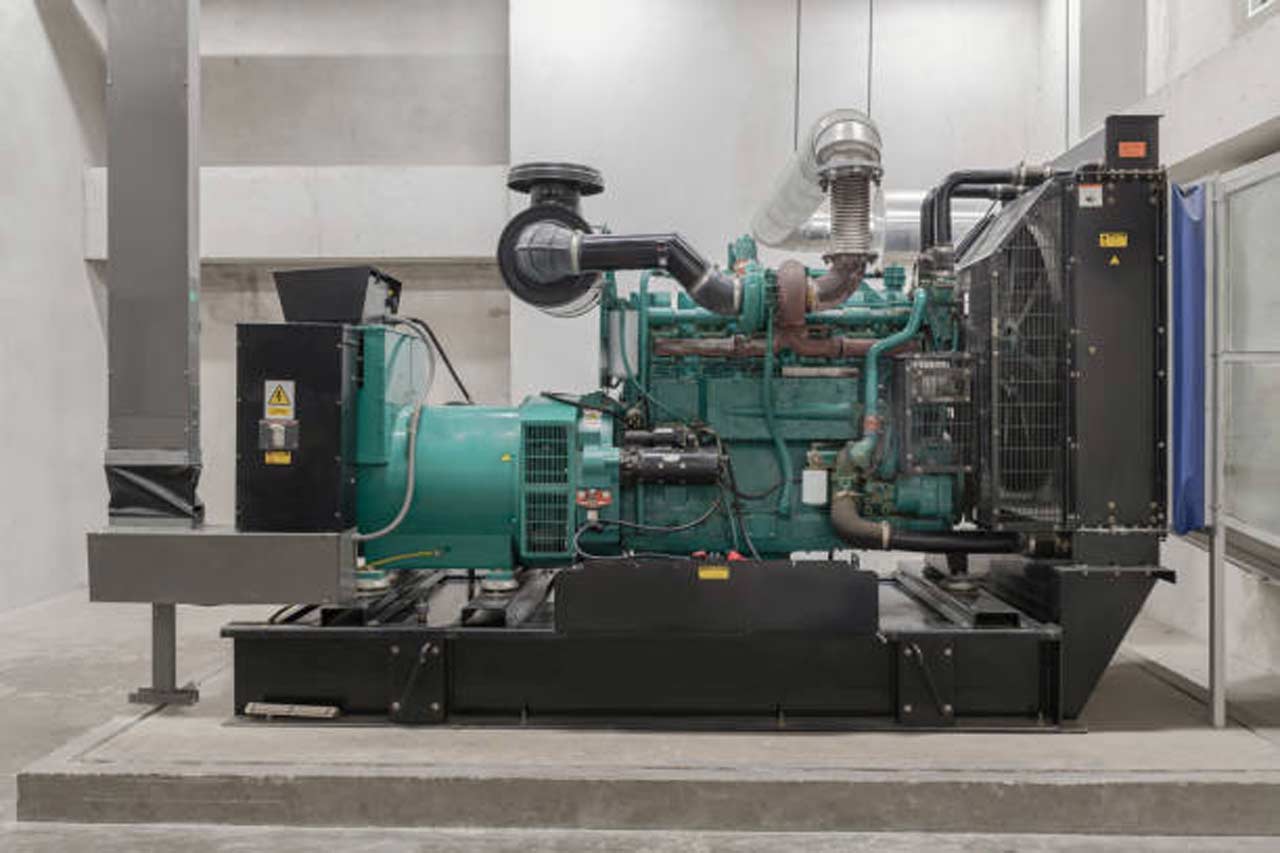
A Cummins generator that sees continuous duty wears differently than one that typically sits idle, waiting for an outage. If your preventive maintenance schedule doesn’t reflect that reality, you’re either over-servicing a rarely used unit or potentially under-servicing a busy workhorse.
Here’s a walkthrough of how to design a preventive maintenance schedule that appropriately reflects operating patterns of continuous power using a Cummins generator.
Why Continuous Duty Wear Is A Concern For Continuous Power Users
Standby generators have a maintenance schedule built on calendar time and periodic testing – but continuous power operations, where a generator is functioning as a primary (or effectively primary) power source rather than merely emergency backup, see significantly more accelerated component wear than standby applications.
– Components are reached at their service-hour thresholds much sooner in calendar time than they would be for standby use
– Components are subject to ongoing thermal and mechanical stress that intermittent operation simply doesn’t achieve
– A maintenance schedule built on standby-generator assumptions will consistently underestimate required maintenance on a continuously operated unit, increasing the likelihood of unplanned failure
This is particularly relevant within Pakistan, where the nature of the national electricity grid means that many generators are pushed into a form of continuous or near-continuous operation, rather than the occasional back-up role for which many may originally have been designed.
Structuring A Preventive Maintenance Schedule Around Operating Hours
Daily Checks
Daily attention can often spot emerging issues long before they become critical, and only takes a few minutes to complete when integrated as a consistent routine.
– Inspect oil level and condition, looking for any apparent discoloration or contamination
– Check coolant level and look for any signs of leakage around associated hoses, connections and the radiator
– Watch out for any abnormal readings on the control display, compared to the unit’s normal operating range
– Listen out for any unusual noise during operation
– Look out for any signs of fuel, oil or coolant leakage
Weekly Checks
– Inspect battery condition and connections, as battery failure is a leading cause of starting failure on units not operated continuously enough to regularly exercise the system
– Check air filter condition, which can be particularly crucial at dusty sites, where clogging can occur more frequently than may be accounted for under a generic maintenance schedule
– Review logged data for any trends that may need investigating, rather than only reacting to obviously abnormal readings
– Check belt condition and tension where possible
Monthly Or Short-Interval Service
– Conduct a more comprehensive inspection of fuel system components, particularly checking for any signs of wear
– Inspect the condition of the exhaust system, looking for signs of leaks, damage or compromise that could adversely affect performance and safety
– Check all electrical connections throughout the unit for signs of corrosion or looseness, due to the loosening effect continuous vibration can have
– Review the alarm and fault history of the control systems for any patterns that may be worth investigating
Service Intervals Based On Operating Hours
Beyond these basic periodic checks and routines, major preventative servicing work should be scheduled based on the unit’s cumulative operating hours, and in line with manufacturer guidance for the given Cummins model:
– Oil and filters at appropriate intervals based on the engine model being serviced, and the oil in use. Possibly adjusted based on any signs of oil condition seen during routine inspections
– Fuel filter replacements at intervals potentially shorter than manufacturer guidance, if local fuel quality variability calls for it
– Air filter replacements based on operating conditions at the worksite – particularly for units operating in dusty conditions, this can depend on how visibly loaded up the air filter is at routine inspection
– Coolant system checks and servicing particularly water pump and hose checks. At more frequent inspections intervals than might be called for for a standby unit
– Ignition system servicing for gas-fueled units, including inspection and replacement of spark plugs or other relevant components at appropriate intervals
– Valve adjustment and engine servicing at longer intervals, based on the unit’s cumulative operating hours and in line with manufacturer specification for the given engine model
Major Overhaul Planning
For units experiencing continuous duty, the interval at which major overhaul is due comes considerably sooner in calendar years than it would for a standby application; planning ahead can avoid potential last-minute panic as the date approaches.
– Keep track of cumulative operating hours on the unit closely enough to give a sense of the timeline ahead
– Purchase parts and schedule service well in advance of the forecast overhaul date, particularly taking into account import lead-time for genuine components
– Use the cumulative maintenance and operating history of the unit to inform overhaul planning in concert with the manufacturer’s recommended overhaul interval for its model
Adjusting To Site-Specific Operating Conditions
Maintaining a unit at continuous power doesn’t automatically imply continuous duty (i.e. uninterrupted operation without any breaks); how hard the unit is operating (i.e. its load factor) will significantly impact its wear characteristics.
– Units that generally operate at closer to their published output rating will tend to show greater wear per operating hour than units that operate at a lighter load factor
– Try to follow up on typical load factor figures alongside cumulative operating hours, and plan out tighter maintenance intervals if appropriate
– Consider your generator’s role in your overall power strategy, and how that informs its appropriate maintenance intensity – is it a primary power source, a highly relied-upon back-up, or occasionally used supplementary power?
The environmental conditions a unit is operating in can be significant factors in appropriate maintenance scheduling, diverging from manufacturer guidance.
– Dry, dusty environments common in many parts of Pakistan should see more frequent air filter checks and replacements. Than might be suggested under a generic maintenance schedule.
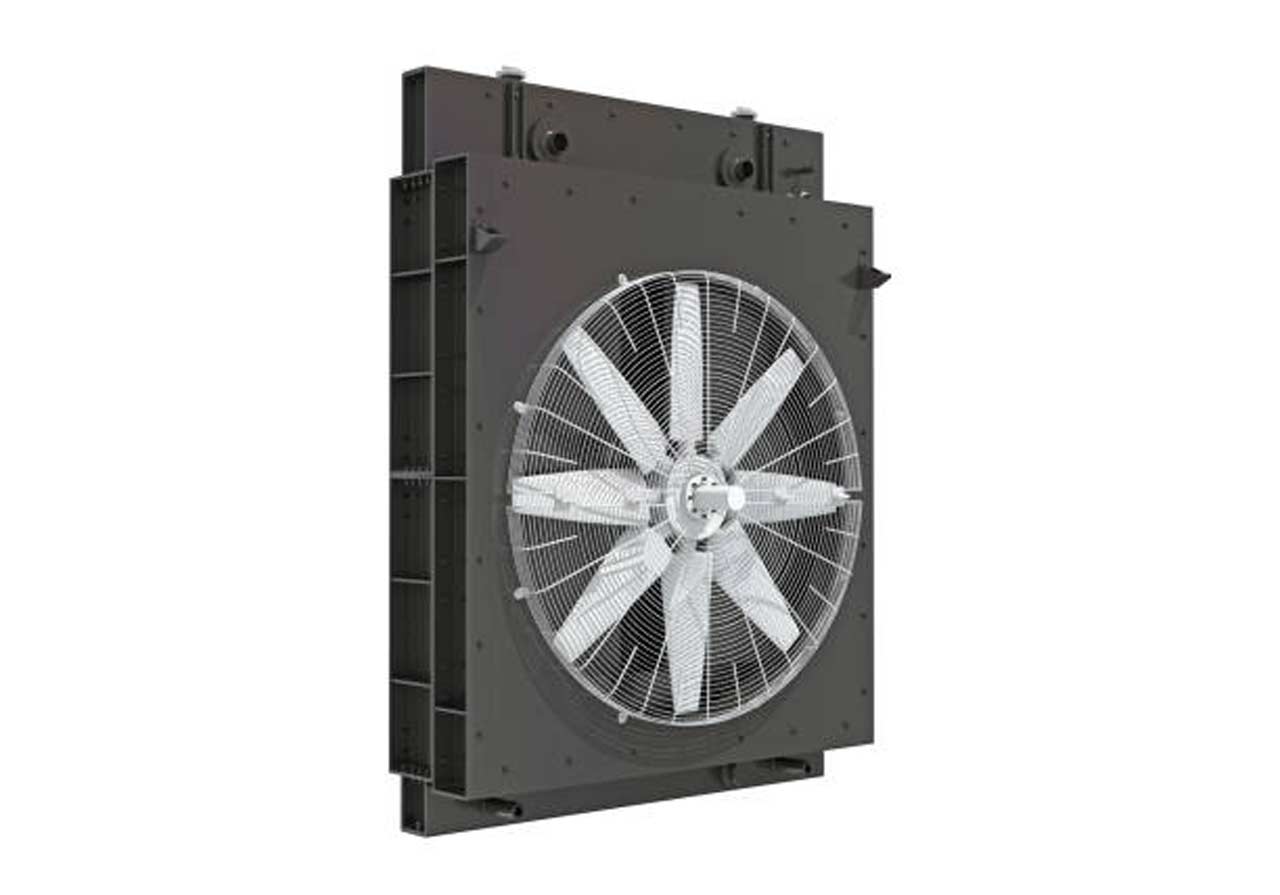
– Operations taking place in high ambient temperature conditions should be careful to monitor. The cooling system more closely than might otherwise be considered necessary.
– Electrical connections should be inspected more frequently in humid or corrosive environments to avoid accelerated corrosion damage.
Fuel quality can be a crucial consideration in areas experiencing variable fuel quality conditions. such as sites where multiple different fuel suppliers may be used. The unit’s fuel system maintenance schedule should reflect this reality.
– Consider fuel system maintenance intervals to lean closer to the upper bound of acceptable frequency if your site experiences fuel quality variability
– Watch out for the condition of fuel system components during routine service for signs of inappropriate intervals
– If practical, integrate fuel quality checks into your routine maintenance regimen, rather than waiting for fuel quality issues to arise before investigating the fuel quality
The Role of Documentation In Cummins Generator Maintenance
Consistent, thorough documentation is a great aid to long-term maintenance planning as well as general troubleshooting.
– Document every aspect of generator maintenance, including both routine servicing and more involved service work, and keep accurate dates on any such records
– Track actual operating hours at service events to cross-reference against any claims of servicing made in the past
– Keep detailed records of anything unusual found during maintenance or routine inspections, even if they didn’t require any corrective action
– Leverage the records to understand the appropriate adjustment to your maintenance schedule, rather than simply following a rigid schedule regardless of actual operating history and wear
– Share the records with your team so that any decisions made are based on a realistic understanding of the maintenance calendar
Common Pitfalls In Maintenance Scheduling
Using a Standby-Generator Maintenance Schedule For A Continuous-Duty Unit
This is by far the most common and costly mistake to make when planning generator maintenance. A schedule built around intermittent testing and emergency backup doesn’t provide the necessary level of proactive servicing for a unit seeing continuous or near-continuous activity.
Becoming Reactive To Issues
Waiting to notice signs of trouble before looking into them simply means you’ve transformed a proactive maintenance schedule into a corrective action schedule.
Inconsistent Or Poor Maintenance Documentation
Inconsistent or poorly kept service records severely undermine the ability to make well-informed adjustments to the maintenance schedule as time goes on.
Postponing Major Service Due To Operational Concerns
Putting off more involved service work due to a unit’s critical role in operations can only leave you with an even more inconvenient maintenance burden in the near future.
Particular Local Concerns For Continuous Power Operations In Pakistan
The cumulative effect of the often-unpredictable nature of the grid in Pakistan means that many generators are pushed into near-continuous operation. Requiring the attention and care appropriate to that level of duty, not the much lighter usage patterns assumed by many standby-application maintenance schedules.
Summer heat in Pakistan adds further thermal stress onto continuous power operation, making cooling system integrity a crucial concern.
Import lead times on genuine Cummins parts make it particularly advantageous to plan out major service and overhaul work in advance, rather than attempting to purchase new parts as the need arises due to operating conditions.
Differences in fuel quality between sites can mean that fuel system component maintenance intervals need to be adjusted appropriately. To the local conditions at a given worksite, rather than simply applying a generic set of rules to every site.