

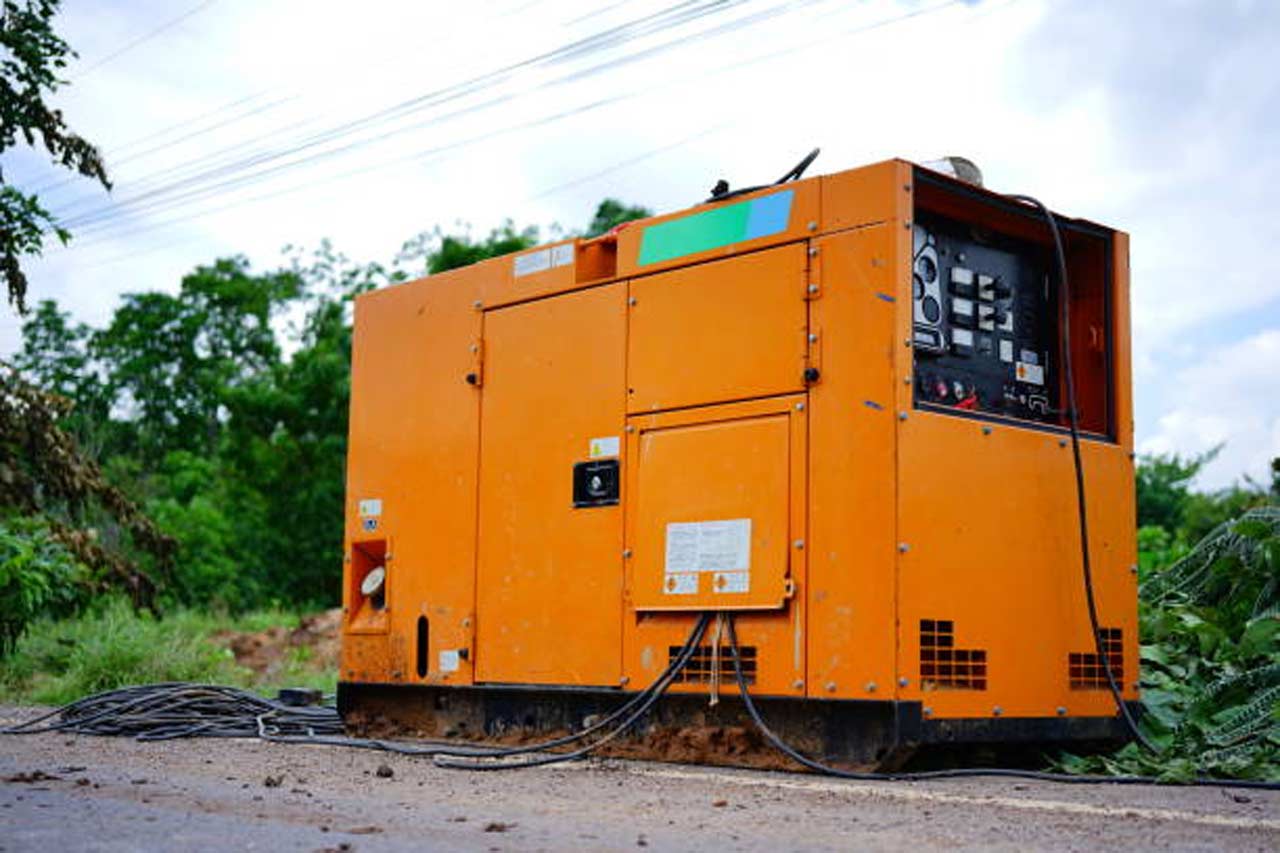
A used gas generator can be a good investment, or a costly one when you’re not sure exactly what you’re buying. The market for used gas generators for sale in Pakistan is competitive, as businesses seek reliable backup or prime power at a lower capital cost – knowing exactly what to look for in a used gas generator for sale can make a big difference in the value you get.
Below is an inspection checklist used by experienced buyers to identify problematic units, assess value, and ensure the best possible deal is secured.
Why Used Generators Deserve Extra Scrutiny in This Market
There is always more risk involved in buying used industrial equipment of any sort, and while this risk is justified in many cases due to the difference in price, it is important to take a careful inspection regardless of the potential value.
A generator that’s running fine during the demonstration at the seller’s premises can still have issues that only appear under load
The seller may not always provide honest information about the service history of a unit for legitimate or not-so-legitimate reasons
And finally, there’s a wide variety of reasons why used gas generators for sale in Pakistan become available, ranging from well-maintained generators being sold off to make space for larger units to generators that have been poorly maintained being sold off before major issues arise
These three considerations are important, as an organized inspection process can protect the buyer from the second category while still allowing them to benefit from the much-deserved value of a well-maintained unit in the first.
Before the Physical Inspection: Documentation and History
Request Complete Service Records
A generator’s paper trail can tell you things that a physical inspection can’t
Ask to see maintenance logs that cover as much of the unit’s operating history as possible
Look for overly wide intervals or service performed far beyond the manufacturer’s recommended schedule, and ask about any rebuilding or replacement of major components like the engine or alternator
Understand Why It’s Being Sold
Ask yourself why the seller wants to sell the generator, and dig into their answer. The truth might not always be readily available, but the exercise will help you understand what to look for in the following steps
Upgrades and relocations are often benign events that nonetheless result in a seller needing to sell a previously owned generator
Watch out for vague answers or stories that don’t quite add up, especially if they contradict what you can see for yourself during the inspection
Ask how long the current owner has had the unit, and whether they acquired it directly from the manufacturer. A unit with a short ownership history and few service records can still be in good condition, but it can also hide defects from a less thorough sale
Verify Operating Hours
The condition and capacity of a used generator depends on how many hours it has been operated. Ask to see the unit’s hour meter, and check it against the maintenance records to ensure they match the service schedule
Ask the seller what the unit’s historical pattern of usage was like, and what type of generator it was primarily used as: a primary power source, an occasional backup, or something in between
Check that the hour meter hasn’t been tampered with or replaced, and remember that the physical condition of a unit can be deceptive
The Physical Inspection Checklist
Exterior and General Condition
- Check for rust or other damage to the housing and skid of the generator.
- Look for oil or coolant stains, which could indicate an ongoing leak.
- Inspect the wiring and cabling for signs of wear, damage, or unprofessional repairs.
- Make sure the data plates and identifying marks on the unit are intact and match what the seller says.
Engine Inspection
- Make sure the oil is the correct color and consistency, in addition to being at the correct level.
- Look for oil leaks around the gaskets, seals, and the base of the engine.
- Check the air filter and intake for signs of extreme dirt buildup, which could indicate deferred maintenance.
- Check belts and hoses for signs of cracking, fraying, or other wear.
- Listen for strange noises from the engine upon starting and during operation.
Cooling System
- Make sure the coolant is at an appropriate level and displays no signs of damage.
- Check the radiator for signs of damage, blockage, or leaks.
- Where visible, check the condition of the water pump for signs of leaks or unusual movement.
- Check that the cooling fan is in good working condition, and is not damaged or unbalanced.
Fuel System
- Check the fuel lines, connections, and overall condition of the system for signs of cracks, leaks, or other damage.
- Check the condition of the fuel filters where visible.
- For gas units, check the fuel regulator and other associated components for leaks.
- Ask the seller about the source of fuel and its approximate quality, if known.
Electrical System and Alternator
- If possible, check the alternator output under load. Make sure it matches the rated specifications of the unit.
- Check the wiring, control panels, and other components for signs of damage or unprofessional repairs.
- Make sure the control panel and monitoring equipment function correctly.
- Where one is fitted, make sure the automatic transfer switch is in good working condition.
Load Testing
One of the most common issues with used units is that they run fine on the demonstration, but fail to perform under load and cause issues down the line. This is why a load test is such an important part of any inspection.
It is best to try and test the unit under a realistic load, as close to its rated capacity as possible, rather than running it at idle or a very low percentage of capacity.
Monitor the voltages and frequencies throughout the load test. Make sure there are no sudden drops or increases that could be indicative of an issue.
Make sure the temperatures and pressures are within the expected ranges for the load applied and the unit’s rated capacity.
Rather than testing under a heavy load for only a minute or so, it is best to run the test for long enough for the unit to stabilize under the new conditions, as some issues will not be apparent immediately after applying the load.
Vibration and Mounting
- Make sure that the unit does not display excessive vibration during operation.
- Check the mounts and isolators for signs of damage or wear.
- If applicable, listen for changes in vibration or sound during the load test.
Red Flags That Should Make You Walk Away
Some issues found during the inspection should raise red flags no matter what, and should prompt the buyer to reconsider purchasing the unit.
Inconsistencies in service records, especially unexplained gaps, coupled with the seller’s refusal to discuss the issue, should be a cause for concern.
Visible major repairs that the seller did not explicitly mention beforehand may also be a concern if they are not easily apparent during the inspection.
Poor performance during the load test that the seller has little to no explanation for is another major concern.
Issues stemming from water damage or inappropriate storage should also raise concerns, as these can display effects that would be hard to notice visually on the unit, and can cause issues down the line.
Finally, the refusal of the seller to allow a load test to be performed is also a concern, as it means the buyer cannot be absolutely certain that the unit will perform as advertised.
Practical Buying Advice for the Pakistani Market
Get an Independent Technical Inspection
Having a qualified technician – preferably one you hire directly, rather than one recommended by the seller – inspect the unit can be well worth the cost if a major issue is found.
A qualified technician should be able to catch a wide variety of issues, including those that the untrained eye may miss, particularly on the electrical side of the unit.
Taking the time and money to have an independent inspection done can save the buyer from spending much more money later on if the unit turns out to be faulty.
Factor in Parts Availability for the Specific Model
After you’ve bought a used generator, it is important to make sure that you can keep it running. One of the biggest factors in this is parts availability.
It is a good idea to contact parts suppliers before buying a unit to make sure that parts are available, in a reasonable price range if possible, for the specific model you are considering buying.
Some models are much harder to keep running than others, and it’s important to account for this before making a purchase.
Budget for Immediate Post-Purchase Maintenance
Even a used unit that has been very well-maintained should still be serviced shortly after purchase to make sure everything is in working order.
Having an oil and filter change, along with a general inspection of fluids, is a good idea no matter what the service history of the unit is.
It may also be a good idea to budget for a more thorough inspection of wear parts, like belts and hoses on gas units and ignition components on diesel units, if you are planning on bringing that unit into your own maintenance program.
Local Considerations for Used Generator Buyers in Pakistan
Grid instability makes used generators move fast in this market, but it’s still important to take the time to inspect any unit properly, not least because some of the ones that look good on paper have serious issues underneath that will become apparent during the inspection.
The condition the unit was stored or operated in prior to being put up for sale can also make a difference, as Pakistan is a country with a wide variety of climates, which can affect the wear and tear of the equipment.
Variations in fuel quality can also be a factor in what issues a given generator may have, depending on where it was last operated before being put up for sale.
Finally, the origin of the unit, if it was imported used or has been operating inside Pakistan from the beginning, may affect potential issues as well as the documentation and parts support available for the unit.
Conclusion
Buying a used gas generator in Pakistan can be a great investment, but it is important to approach the process carefully. Making sure the paperwork is in order, getting the physical condition of the unit inspected, and making sure the unit can actually handle a load are all vital parts of the process.
An independent inspection from a qualified technician can save the buyer serious expenses in the future by ruling out units with serious mechanical or electrical issues, despite appearing fine at first.
If you have already bought a used generator and need parts to keep it running, browse our website for genuine spare parts at gencomspares.com.pk or contact us for help finding the parts you need for your model.