

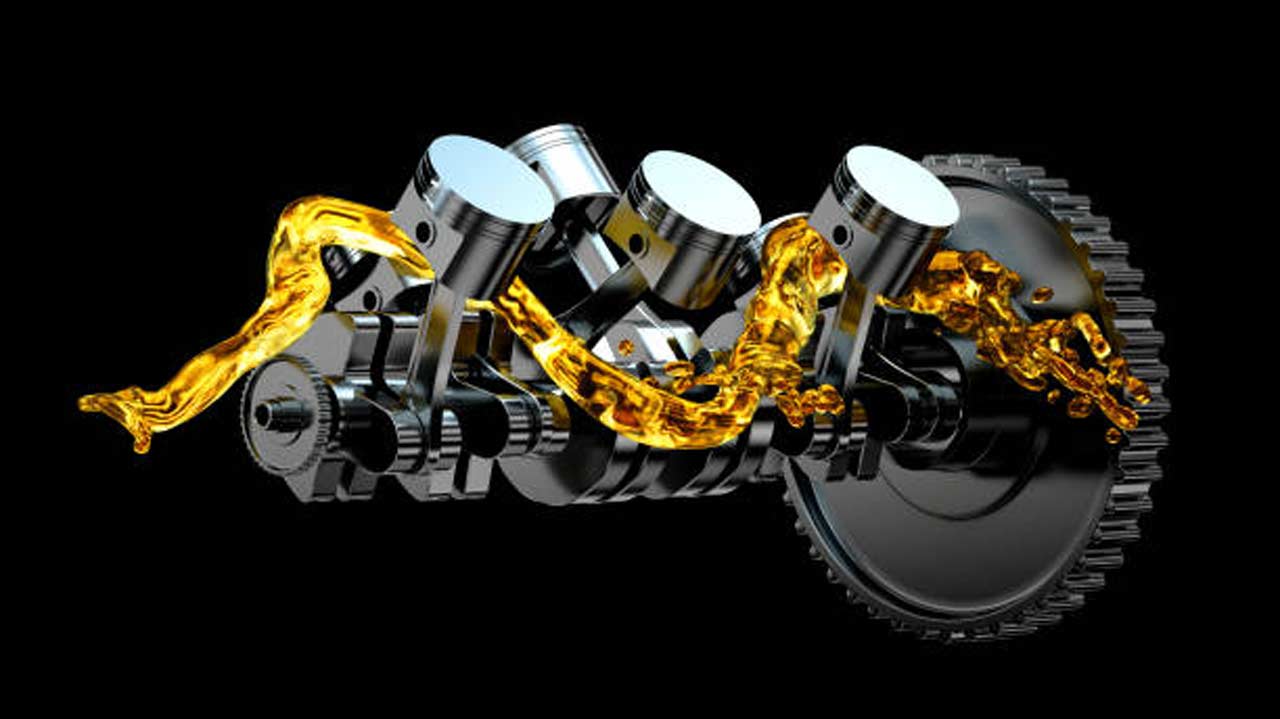
Ask 5 different people which type of oil is more suitable for a high-pressure Ariel cylinder, and there is a very good chance you will receive 5 different answers. This guide compares synthetic and mineral oil for high-pressure Ariel cylinders, to help identify which offers the most practical benefits, based on specific operating conditions.
Why Cylinder Lubrication Deserves Careful Selection
The function of cylinder lubrication in a reciprocating compressor is to minimize friction between the piston and cylinder wall. In a high-pressure compressor, this presents additional challenges, as the lubricant must support the increased stress due to high pressure, and resist the effects of the compressed gas itself. Choosing the right option for your specific application will impact performance and overall reliability more significantly than in less demanding circumstances.
Cylinder lubrication directly impacts: piston ring and cylinder wall wear rates, and lubrication quality under increased pressure has a direct effect on component wear.
The oil selected will define whether an acceptable lubrication film is produced and maintained, under all service conditions.
Selecting the most suitable oil type based on your specific operating conditions is even more important for high-pressure applications.
Understanding the Basic Difference
There are significant differences between synthetic and mineral oil for high-pressure cylinder lubrication, which affect the properties and behavior of the oil. Both options will yield a satisfactory result in most operating conditions, but one is typically a more appropriate choice in high-pressure situations.
• Mineral oil is purified and refined from crude petroleum. Mineral oil properties are well-established, as it is a long-used and well-understood option.
Mineral oil typically provides satisfactory results at a reasonable price, though performance can be less stable at higher temperatures and pressure ranges. It is typically less expensive than synthetic oil, though the difference is not typically significant enough to outweigh its other disadvantages.
• Synthetic oil is man-made and produced in controlled conditions. This allows it to be more precisely formulated, for higher performance and more stable results. It performs more consistently under severe or demanding conditions.
Synthetic oil typically possesses enhanced stability, under higher pressure and temperatures. It will also usually maintain good lubrication quality over a longer service interval compared with mineral oil. On the other hand, price per volume of synthetic oil is typically notably higher than mineral oil
The choice between synthetic and mineral oil is not a binary choice. Neither option is definitively superior across all operating conditions.
Each performs best under specific conditions, and selecting the most appropriate option for your operation is key.
Key Factors to Consider for High-Pressure Ariel Cylinders
Operating Temperature
The heat generated by high pressure compression means temperature plays a role in a lubricants ability to provide adequate protection.
Synthetic oils tend to be more consistent in viscosity as the temperature increases
Mineral oil can thin out more at higher temperatures
If your cylinders are regularly operated near the max temperature for their rated operating range, the synthetic’s resistance to temperature increases would provide a benefit.
Gas Composition and Chemical Compatibility
The gas stream affects the chemical make up of the lubricant
Some gas compositions will be more favorable to the oil than others. This applies to both performance and the oils life expectancy.
The synthetic oils advantage in resisting breakdown from certain gas stream characteristics would provide better performance and longer service life than the mineral oil.
It is worth taking time to look into the compatibility of your gas stream with the specific oil you are considering, rather than assuming either will work in your application.
Pressure Range
The higher the operating pressure, the more strain is placed on the lubricating film of the oil.
Synthetic oils tend to provide a more consistent lubricating film at higher pressure ranges
Mineral oil can provide acceptable performance at the lower end of the pressure range, or at moderate pressures
As you increase the pressure towards the higher end of the rated range for your cylinder, the difference in performance between mineral and synthetic oils will become more apparent.
Oxidation Resistance and Service Life
The oxidation process breaks down the lubricating properties of the oil. This reduces the effectiveness of the lubrication, and dictates how often the oil needs to be changed.
Synthetic oils generally resist oxidation better, meaning they will last longer than mineral oil in service.
The longer service interval reduces total cost by minimizing both the amount of oil used, and the cost associated with the labor time for oil changes.
This benefit needs to be balanced against the higher purchase price for synthetic oil to determine overall value.
Comparing Total Cost, Not Just Price Per Liter
The easiest way to compare the value of the two oils is by determining the cost per hour of operation. This takes into account the differences in service interval for the two oils.
Calculate the total cost (purchase price + labor time) for an oil change using each type of oil. Use realistic assumptions about the frequency of oil changes for your application.
Factor in the labor cost associated with making oil changes. Less frequent oil changes with synthetic oil mean less technician time spent on oil changes.
Consider if the improvement in lubrication properties provided by synthetic oil will reduce wear on cylinder rings and cylinder walls, extending the interval between required maintenance or costly part replacement.
Practical Guidance for Making the Choice
Assess Your Specific Operating Conditions First
As with any cylinder application, the operating conditions determine the best lubrication choice rather than a general consideration of mineral versus synthetic oil benefits.
Evaluate what your cylinders actually experience in service rather than basing the choice on theoretical or general industry considerations.
When considering mineral versus synthetic oil for Ariel cylinders, begin by evaluating your specific operating conditions and requirements.
Consult Manufacturer Specifications
Ariel provides lubrication recommendations for their cylinder designs. This should be the starting point for consideration rather than a general application of industry rules of thumb.
If considering a switch to synthetic oil for your Ariel cylinders, it is worth running a trial on one or two cylinders experiencing the most demanding conditions before converting your entire fleet.
Consider a Trial Period Before Full Conversion
Rather than focusing only on the purchase price difference between the two types of oil, examine the total cost of using each type in your application.
Don’t assume that a switch from mineral to synthetic oil for your Ariel cylinders will be seamless.
Consider any recommendations from the manufacturer regarding switching between mineral and synthetic oil for your specific design of Ariel cylinder.
Don’t Mix Oil Types Without Proper Consideration
Converting from one type of oil to the other requires consideration beyond simply selecting the preferred lubricant for your cylinders.
Conversion from mineral to synthetic, or vice versa, may require following specific procedures from the manufacturer.
Improper procedures during the conversion process can sometimes result in temporary lubrication difficulties due to incompatibility between the two types of oil.
Conversion from mineral to synthetic, or vice versa, should be done during a regularly scheduled maintenance period rather than on the fly.
Local Considerations for Lubricant Selection in Pakistan
Some local factors specific to Pakistan make the choice between mineral and synthetic oil more favorable in certain applications.
Hot summer temperatures in Pakistan tend to result in higher operating temperatures for cylinders than might be experienced elsewhere, increasing the benefit of the synthetic oils ability to resist temperature increases.
The relatively high hours of operation for gas compressors at Pakistani gas fields means the potential reduction in maintenance intervals offered by synthetic oil would provide proportionally higher value than in other applications
Gas composition varies between fields, so it is worth investigating the compatibility of the gas stream for your specific field with the mineral versus synthetic oil options
The relative availability of the selected type oil in Pakistan is a factor that should be considered when choosing between mineral and synthetic oil for your Ariel cylinders.
Final Thoughts
In fact, there isn’t a single right answer to the question about which of the oils is better for high pressure Ariel cylinders, because it depends largely on your particular operating pressure, temperature, type of gas and all these factors relative to the extra cost of synthetic oil. For cylinders operating closer to the upper limit of their pressure and temperature, performance stability of synthetic oil may make extra cost worth it when taking total operating cost into account. For less demanding applications, mineral oil can still be a great option.
For more information about picking up the best lubricant for your particular Ariel cylinder, please check our stock of genuine spare parts at gencomspares.com.pk.