

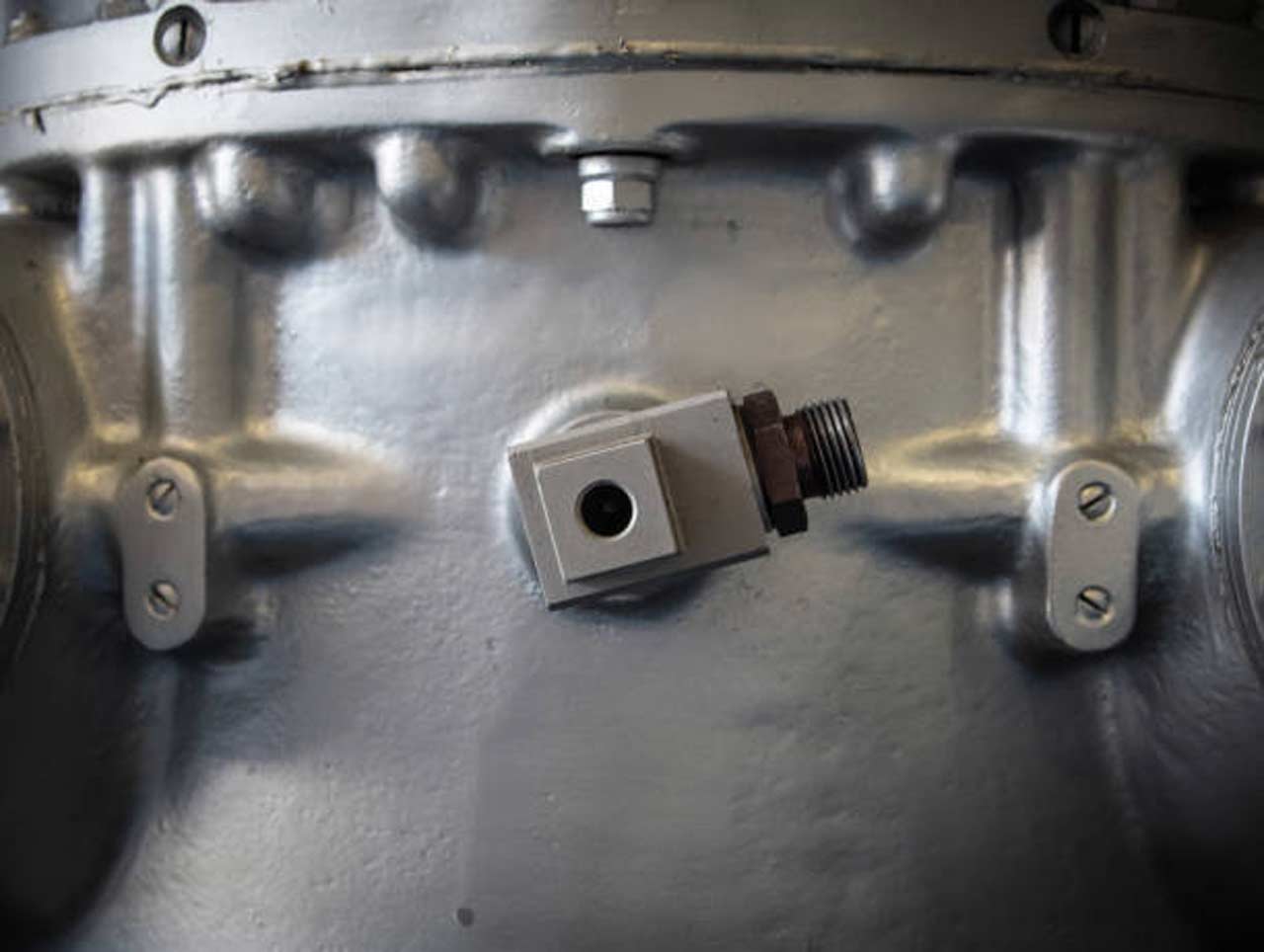
Valves are often selected or replaced with only wear or failure in mind, but the ability to optimize compressor output is significantly impacted by valve selection and management. This guide explains the connection between valves and output and discusses the considerations relevant to selecting valves for a given application.
What is not commonly considered about compressor valves
Most operators view compressor valves only in the context of the performance they continue to exhibit as components of the system, replacing them only when their functionality has degraded to a point of becoming non-functional or leaky. In truth, valves can and should be considered as performance options impacting overall efficiency and productivity, with changes to the valve having an immediately noticeable impact on an Ariel compressor’s output and cost of ownership in relation to that output.
– Valve flow characteristics impact the pressure drop through the valve on a given compression cycle
– Valve dynamics determine volumetric efficiency potential of the cylinder
– Valve integrity and selection combine to determine the percentage of the compressor’s theoretical potential being delivered by the cylinder in question
Using a valve that is not suitable for a given application, while still possibly delivering acceptable performance in terms of basic operability, can lead to significant loss of efficiency for a given cylinder.
Why is valve selection a performance consideration, rather than just a replacement option?
Pressure drop through the valve
Any restriction introduced by the valve design as the plate moves through the valve opening and shuttling gas through the port generates a degree of pressure loss. A compressor must expend additional energy to overcome this pressure differential as it compresses the gas – this increases the overall energy cost of running the compressor.
– Valve design changes that allow lower pressure drop through the valve on suction and discharge will lead to improvements in volumetric and energy efficiency, representing a direct efficiency gain
– While not large on a given compression cycle basis, a smaller cumulative pressure drop on millions of compression cycles adds up to an appreciable reduction in the energy needed to run the compressor over a given period
The impact of valve lift and flow area
In addition to a valve design generating a given pressure differential as the plate opens, the lift and flow area characteristics of the valve plate combine to dictate the volume of gas being shuttled through the valve on a given compression cycle. This has a direct influence on cylinder output and efficiency.
– Valve design modifications that increase the flow area provided by a given lift dimension reduce restriction in a similar manner to an increased orifice
– The lift height/flow area relationship must be matched to the speed and volume characteristics of a given cylinder to maintain the best possible output and efficiency performance
– Valves ill-suited to a given application can generate unnecessary restriction to gas or prove insufficiently resistant to the force of the gas flow on an open stroke
How else do valves impact performance?
The manner and speed at which gas flows through the valves during the compression cycle is also a factor. On a stroke-by-stroke basis, a valve that is not operating at peak efficiency in terms of timing can negatively impact the amount of work being performed by the compressor on the gas.
– A valve that is too slow on closure will have allowed a volume of gas to escape back toward the bottom of the cylinder as the cylinder moves to the start of the next compression stroke
– A valve that is too slow on its opening will unnecessarily restrict and reduce the column of gas entering the cylinder on the intake stroke
– Valve closure speed and stability are also affected by considerations beyond simply valve plate height specifications, with dynamic response characteristics also being determined by the valve spring specification and plate mass
How valve condition determines the effectiveness of valve selection
While a well-chosen valve design will tend to have better inherent performance characteristics by default, the condition in which it is operating also has a major impact on this performance.
– A valve that, while ill-suited for a given pressure level or flow rate, is operating in good condition, will outperform a well-chosen valve in poor condition
– This indicates that while important, valves are not an infallible solution and ongoing maintenance is also critical to performance
– Being able to identify patterns of behavior over a valve’s service life can be critical to understanding whether a valve change is the cause of an efficiency decrease or an unrelated change in performance conditions
How to match valves to the application for performance benefits
For the given cylinder operating speed
Valves optimized for different operating speeds have varying potential performance characteristics. A valve that is ideal for one pressure and speed combination, for instance, would not be the best choice for a cylinder working at a considerably different speed even if delivering similar pressure and output characteristics.
– Higher speed applications will tend to benefit from being matched to a valve design optimized for faster operation. A slower valve used at a high speed results in unnecessarily large timing losses
– Low speed applications are more forgiving of poor performance characteristics due to the reduced pressure being shuttled through the system. Higher speed applications demand better performance from valves due to increased required output volume and pressure levels being delivered
Confirm that a chosen valve specification will indeed be applicable to and optimized for the speed range of the cylinders.
For the gas flow characteristics and cylinder pressure ratio
The application, including the specific gas being compressed and the pressure ratio of the cylinder, dictates the most suitable and suitable performance characteristics for the valve.
– Applications with a higher pressure ratio will demand more from the valve in terms of sealing potential and dynamic response capabilities
– Gas composition impacts the selection of materials for plates and seats, which will combine to affect overall performance characteristics
– A valve that delivers optimal performance for a particular set of application criteria will not necessarily be the ideal choice for another application, even if installed on the same cylinder frame
For the continuous duty cycle of the equipment
A valve that is ideally suited for continuous-duty cycle compressors will differ in specification from one that is intended for intermittent-service compressors and thus will affect the performance characteristics of the compressor.
– Compressors operating on a continuous cycle must be considered separately when choosing a particular valve type, due to the impact of continuous cycling on valve performance characteristics
– A valve designed for intermittent service will show lower efficiency and accelerated wear when placed in continuous-service compressors
– Confirm that a chosen valve specification applies to a continuous duty cycle, if applicable to the equipment in use
How to confirm the practical implications of this information on your given compressor
While it may be valuable to understand the potential gains from a different valve selection, it remains just as practical to verify these assumptions against your own equipment performance to confirm whether or not the changes seen would be beneficial to your particular circumstances. To verify this, observe the following performance characteristics of your compressor:
Volumetric efficiency – A change to another valve type will impact this metric most directly. Measuring volumes before and after changing a valve will directly indicate the difference in performance characteristics.
Discharge temperature – As temperature rises, gas density decreases with an associated reduction in cylinder output. Valves that allow excessive leakage or inappropriate timing on the compression stroke will see higher discharge temperatures at a given pressure and cylinder speed. Changes to discharge temperature will reflect performance differences and the volume they have impacted.
Power consumption – Power consumption is impacted by the combination of losses introduced by the compressor components on the compression cycle. Power consumption for a given volume of output reflects combined characteristics of the valve timing, pressure drop, and overall efficiency of the cylinder in question.
Performance comparison to similar compressors with different valve type – If data can be compiled to compare the performance of similar equipment with different valve types, this can be a valuable validation. Information about your own compressors’ performance will likely be more informative than a theoretical discussion of valves from a supplier.
What can be done in order to optimize valve selection
Establish your current performance levels
It is important to consider the performance that the existing valve is delivering before attempting to optimize the overall performance of your cylinder. Documenting volumetric efficiency, discharge temperature, and overall power consumption levels will provide a baseline for comparison in performance improvements delivered by change. Identifying the valve type and performance class currently in use will be beneficial in comparing any new options being considered. Consider whether issues being experienced are related specifically to valve selection, valve performance, or another unrelated cause.
Confirm considerations with suppliers
Not all suppliers can speak accurately about how their product is being utilized or how its performance characteristics intersect with another component in a working unit. It is important to be certain that the supplier can provide the information being requested, rather than asking the wrong party for input.
It will be valuable to discuss the flow characteristics and dynamic performance of a potential valve option with potential suppliers.
An ideal supplier will be able to explain potential benefits of a given valve characteristic. They should also be able to discuss tradeoffs of performance characteristics related to the application at hand. A supplier that suggests that one valve type is universally ideal in all situations is unlikely to have the application knowledge needed. This information is necessary before making selection decisions based on this information.
Trial usage ahead of conversion to a new valve option
As with many items connected to improving the performance characteristics of a compressor, a trial approach that allows for analysis will reduce the risk of a change that delivers little or no improvement over current performance options. Valves that are considered for a change to optimize output should be trialed on a limited basis before implementing large-scale change.
Track performance metrics as described above for a set period of time, using the valve configuration being trialed.
Local considerations that impact valve characteristics in Pakistan
The valve selection considerations above apply at all locations, but there are some conditions specific to the environment in Pakistan and the manner in which compressors tend to be operated here that may be worth considering.
High ambient temperatures, particularly during the summer months, will impact the properties and density of gas being compressed. These conditions may dictate a change in the preferred valve characteristics to account for these variations being seen.
Gas composition can vary from field to field, with some valves proving to be more suited to some applications than others. This consideration will be important in some fields considering valve change options.
Compressors that operate on a continuous cycle in order to maintain output also dictate a preference for valves that are designed for continuous operation and will perform consistently over extended periods of time rather than ones that are optimized for intermittent use.
Field conditions in many cases dictate the presence of dust, which can impact the cleanliness of the gas stream reaching the valves and should be factored when considering valve selection for other reasons as well.
Conclusion
Valve selection presents a genuine opportunity for performance optimization and represents a change that can immediately be seen. The performance of valves impacts volumetric efficiency and output potential, but in order to optimize overall output and efficiency for a given application it is important to choose the valve solution that suits the application in a manner that reflects speed, pressure, and environment, as well as to continue to manage this component for maximum output. Selection considerations should be made that take local conditions and equipment-specific circumstances into account and informed decisions should be made to maximize output while sustaining the life of the equipment.
If you are looking to optimize your valve selection to achieve greater output potential, browse genuine valve options at gencomspares.com.pk or contact us to discuss valve selection for your application.