

Buy the wrong compressor part once, and you’ll never trust a cheap supplier again.Anyone who has run a gas compression station knows the feeling: a shipment arrives, the part looks right, the price was too good to pass up, and three weeks later it’s cracked, seized, or leaking.If you work with reciprocating gas compressors in Pakistan’s oil and gas sector, you’ve probably had at least one close call with a part that wasn’t what the invoice said it was.This guide explains how to tell real Ariel Compressor parts from the copies, and where the risk really lies.
Why Ariel Compressor Parts Matter So Much in Pakistan’s Gas Sector
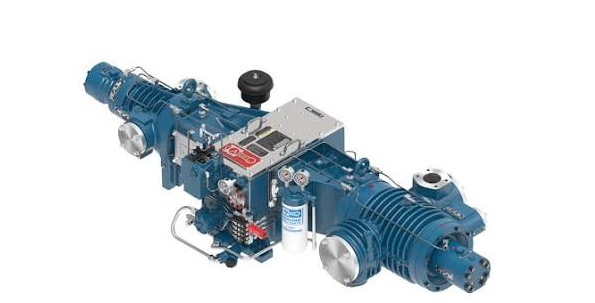
Ariel reciprocating compressors are widely used at gas fields, gathering stations, and CNG compression sites across the country.
They’re built for continuous operation on natural gas, and operators trust them because the design is simple, rugged, and well-documented.That’s why counterfeiters target the brand a part with a familiar name sells faster, even if it was never made in an Ariel factory.
Pakistan’s gas fields operate in tough conditions.
The summer heat in Sindh and Punjab raises cylinder temperatures beyond what most manuals assume.Dust is a real issue at remote wellhead sites.Plus, some fields have inconsistent gas quality, which quickly punishes low-quality parts.A counterfeit piston ring or a poorly machined valve plate might survive a few hundred hours in a test lab.It won’t make it through a hot Pakistani summer, running 24/7 in the field.
– Gas compression stations push parts harder than typical industrial equipment
– Downtime at a wellhead or CNG station costs real money every hour
– Replacement parts are often sourced under pressure, which is when mistakes happen
The Real Risk: Where Fake Parts Enter the Supply Chain
Most buyers don’t get scammed by a clearly shady seller.
They get caught by a supply chain that looks legitimate until the part fails.Here’s where things usually go wrong.
Grey Market Imports Without Proper Documentation
A part can be physically real made by a legitimate aftermarket manufacturer and still be sold in a way that misleads the buyer.
Some sellers import components from manufacturers with no official link to Ariel and market them using Ariel part numbers without telling the buyer they’re aftermarket, not genuine OEM.
Remanufactured Parts Sold as New
Cylinders, pistons, and packing cases are often remanufactured and resold in the compressor parts trade.
That’s not always dishonest a good rebuild can perform well.The issue is when a remanufactured part is sold without full disclosure, at new-part prices, with its wear history hidden.
Mislabeled or Re-Stamped Components
This is what catches even experienced buyers off guard.
A generic part gets a part number stamped, etched, or sticker-applied to match an Ariel catalog listing.Unless you know what genuine factory markings look like the depth of the stamp, the font, the placement this kind of mislabeling is easy to miss during a quick inspection.
How to Identify Genuine Ariel Compressor Parts: A Practical Checklist
There’s no single trick that catches every fake.
What works is combining a few checks documentation, physical inspection, and supplier verification so a part has to pass multiple tests before it goes into your compressor.
1. Verify the Part Number Against Official Documentation
Every genuine part should trace back to a specific part number that matches your compressor’s bill of materials or the original equipment manual.
Don’t rely on a supplier’s word for the cross-reference.
– Ask for the part number in writing before you agree to purchase anything
– Cross-check it against your unit’s parts manual, not a generic catalog someone emails you
– Be suspicious if a supplier can’t tell you which compressor model and frame the part fits
2.Inspect the Machining and Material Quality Directly
Genuine components have consistent tolerances, clean machining marks, and materials that match the specifications.
You don’t need a metallurgy lab to spot obvious issues.
– Check the quality of the threads on bolts, studs, and fittings genuine threads should feel smooth, not gritty.
– Look at the surface finish on wear parts like piston rings and rider bands; rough or inconsistent finishes are a red flag.
– Weigh the part if possible.
If a piston or valve assembly feels noticeably lighter than a known genuine unit, it might be made from a cheaper alloy.
– Compare dimensions with calipers to the OEM spec sheet, especially bore diameters and ring gaps.
3. Check the Packaging and Markings Closely
Counterfeiters have improved at copying boxes and labels, but small details still reveal their work.
– Genuine packaging usually includes professional, consistent labeling not a generic sticker on another product’s box.
– Look for engraved or stamped markings on the part itself rather than markings that can be wiped off or sit on the surface.
– Compare the label’s part number, batch number, and any QR or barcode with what your supplier wrote in writing.
4. Ask for Traceable Documentation
A legitimate supplier can provide paperwork.
A grey-market reseller may not, or may be vague when asked for specifics.
– Request a certificate of conformance or material test report where applicable.
– Ask where the part was made and get that in writing.
– Request the supplier’s purchasing chain who did they buy it from, and can that be verified?
5. Buy From Suppliers Who Understand Compressor Applications
This might sound obvious, but it’s a check many buyers skip.
A supplier that genuinely deals with compressor spares not just a general industrial parts trader who happens to stock a few Ariel-branded items will know your compressor’s frame size, service history, and typical wear points.They’ll ask questions before selling you a part, not just take your order.
At gencomspares.com.pk, we take this approach: we understand the compressor, its operating conditions, and the part’s actual use before making any recommendations.
If a part doesn’t fit your unit, we’ll let you know instead of shipping whatever is in stock.
Signs a Compressor Part Is Wearing Out
Knowing when a part is failing can help you plan replacement purchases without time pressure, giving you the chance to properly check a supplier instead of grabbing whatever is available quickly.
– Piston rings: Listen for a change in the knocking sound during compression strokes, and watch for increasing blowby past the rings on your unit’s monitoring system.
– Valve plates and seats: Falling discharge pressure or rising cylinder temperatures at a given load often indicate valve leakage before a full failure.
– Packing cases: Gas leakage around the packing gland, visible on a soap test or gas detector, usually means the packing rings have worn beyond tolerance.
– Rider bands: Increased piston rod runout or unusual vibration at the crosshead can indicate rider band wear, allowing the piston to sag in the cylinder.
Detecting these signs early means you can order a replacement on your schedule, not during an unplanned shutdown.
Rushed orders are exactly when buyers skip the verification steps mentioned above and end up with parts they haven’t fully checked.
Local Considerations for Buyers in Pakistan
Sourcing compressor parts in Pakistan has some unique challenges that buyers in other markets may not face as often.
Import duties and lead times can push some buyers to choose local stock, even if it means less certainty about the part’s origin.
It’s worth asking any local supplier directly whether their stock is imported through an authorized channel or sourced through intermediaries, since this answer determines how carefully you should inspect the part upon arrival.
Climate matters more than most buyers realize.
Elastomer seals, O-rings, and gaskets rated for temperate climates can degrade faster under sustained high ambient temperatures common in much of Pakistan during the summer.When comparing a genuine part with a substitute, ask specifically about the seal material’s temperature rating, not just whether it “fits.”
Field conditions at remote sites mean dust and sand ingestion are more of a concern than in a covered industrial plant.
Air filtration and seal quality on parts matter more here than the spec sheet suggests, which is another reason to favor parts with a verifiable manufacturing history over unmarked substitutes.
Building a Relationship With a Trusted Supplier
The most reliable way to avoid counterfeit or misrepresented parts isn’t a checklist it’s a long-term relationship with a trusted supplier.
A supplier who has delivered correct parts on time for two years has more to lose from selling you a counterfeit than a one-time online seller found through a search ad.
– Start with smaller, lower-risk orders before committing to bulk purchases from a new supplier.
– Keep records of every part number, batch, and delivery so you can spot issues if something goes wrong later.
– Ask your supplier directly how they’d handle a warranty claim on a defective part a vague answer can tell you a lot.
A reliable supplier will also warn you when a genuine OEM part isn’t strictly necessary, and a quality aftermarket alternative can do the job at a lower cost.
This kind of honesty is a stronger signal of trustworthiness than any single inspection method.
Final Thoughts
Finding real parts isn’t just about one smart trick it’s about doing several small checks that make it harder for fake parts to pass.
Compare the part number with your compressor’s official documents.Check the machining, materials, and markings by hand. Always ask for proper paperwork and don’t settle for unclear answers about where a part came from.Most importantly, choose a supplier who knows compressors well, not just parts lists.
Gencom Spares partners with professionals in Pakistan’s gas and compression industry who need parts they can rely on in the field.
If you’re looking for Ariel compressor parts in Pakistan and want a supplier who will answer your tough questions before you buy, reach out to our team or check our current stock at gencomspares.com.pk.