

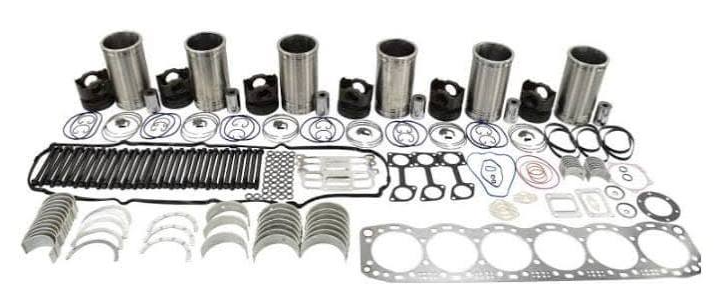
Every workshop owner in Pakistan has surely faced this situation: your compressor or engine needs a rebuild, and the original equipment manufacturer (OEM) quote is high with a long delivery time.Someone then suggests using an aftermarket rebuild kit, which is much cheaper.Is it a wise choice, or are you making a mistake that could cost you later?Here’s a realistic look at when it’s a good idea to use an aftermarket rebuild kit, and when it’s not.
What a Rebuild Kit Actually Includes
Before comparing OEM and aftermarket options, it’s important to understand what you’re actually purchasing.
A rebuild kit is a collection of wear components needed to bring a cylinder, valve, or engine back to proper working condition during one service session, rather than buying each part separately.
– Piston rings, rider bands, and packing sets for compressor cylinders
– Gasket sets, seals, and bearings for engine or pump overhauls
– Valve plates, springs, and seats for compressor valve assemblies
– Fasteners and small hardware that are the correct size for the kit’s parts
Buying a kit instead of separate parts is more than just easier—it ensures all components in the assembly are replaced with parts that have the same wear characteristics.
This helps avoid a common problem where a new part fails quickly because it’s paired with an old, worn surface.
OEM vs Aftermarket: What the Terms Actually Mean
There’s a lot of confusion around these terms, and it’s worth clearing things up.
OEM parts come from the same company or an authorised supplier of that company that built your original machine or component.
Aftermarket parts are made by another manufacturer to fit the same application, without a direct licensing agreement with the original equipment brand.
Neither term automatically means “better” or “worse.” Some aftermarket manufacturers focus on making one type of part and produce items that meet or even exceed OEM standards.
Meanwhile, some OEM parts are priced higher due to brand reputation rather than better performance.The real question is not which label sounds more official, but which part will actually work for your specific use.
Why Aftermarket Rebuild Kits Make Sense for Many Workshops
1.Lower Cost Without Cutting Corners on Function
This is the main reason, but it’s worth explaining why the cost difference exists instead of just stating the fact.
OEM pricing includes brand overhead, licensing fees, and often multiple markups in the supply chain before reaching Pakistan.A good aftermarket manufacturer selling directly to the market skips most of these costs.
– Lower cost per kit means more regular, timely maintenance is affordable
– Workshops can rebuild more units within the same budget
– Savings on routine parts free up funds for the parts where OEM is truly important, like precision-machined valve bodies or electronic components
2.Better Availability and Shorter Lead Times
OEM parts often arrive from overseas with long lead times, especially for older machines that are no longer a priority for the manufacturer.
Aftermarket suppliers who keep parts locally or work with manufacturers focused on the aftermarket can usually get orders done faster.
– A compressor down at a gas field can’t wait three weeks for an OEM shipment to clear customs
– Having local aftermarket stock means workshops can plan repairs based on actual availability
– Faster turnaround reduces the cost of downtime, which often outweighs the price difference between OEM and aftermarket parts
3.Kits Built for Real-World Rebuild Work
Some aftermarket manufacturers design their rebuild kits with what technicians really need during a service call in mind, not just by copying the original list of parts.
– Kits sometimes include upgraded materials for wear parts, such as improved seal compounds that can handle higher temperatures
– Packaging is often organized according to the steps of the rebuild, which speeds up the actual service process
– Some kits include small consumables like specific fasteners or thread sealants, which OEM part numbers may list separately
4. Support for Older Machines Still Running in Pakistan
A lot of compressor and engine equipment still working in Pakistani fields and workshops is decades old.
Manufacturers don’t always keep making parts for such old equipment, leaving operators with a choice: retire a working machine or find another source.
– Aftermarket manufacturers often continue making parts for old, discontinued equipment long after OEM support ends
– This keeps older, fully depreciated machinery in use rather than forcing early replacement
– For workshops using both new and old equipment, aftermarket support is often the only real option.
Where OEM Still Has the Edge
None of this means that using aftermarket parts is always the wrong choice.
Being honest about when OEM parts are more important is part of giving good advice, not just pushing the cheapest option.
– Parts that rely on precise manufacturing, like electronic control modules, fuel injectors, or tightly fitted bearings, often perform better with OEM parts because manufacturing consistency has a big impact on how well they work.
– Equipment that is covered by a warranty usually needs OEM parts to keep the warranty valid.
Always check the warranty terms before using an aftermarket part.
– Safety-critical parts, such as pressure relief valves or structural components, need extra attention no matter where they come from.
OEM documentation can help show that you’re following the right standards.
– Newer equipment might not yet have a mature aftermarket option available, since aftermarket makers usually follow demand rather than create it.
How to Tell a Quality Aftermarket Kit From a Poor One
The aftermarket part world includes everything from well-engineered kits to low-quality copies.
Here’s how to tell the difference.
Check Material Specifications, Not Just Fit
A part that fits your machine doesn’t automatically meet the same performance standards as an OEM part.
– Ask the supplier what materials each key component is made from, and compare them to known OEM standards if possible.
– Seals and gaskets can vary a lot in their ability to handle heat and chemicals between different manufacturers.
– Be careful of suppliers who aren’t able to answer basic questions about the materials used in their own kits.
Look for Manufacturers Who Specialize
Rebuild kits from a company that focuses specifically on compressor or engine parts usually work more reliably than kits from general part sellers who carry many unrelated products.
– Specialist manufacturers tend to invest more in engineering for each specific application.
– A supplier who understands your equipment can suggest which parts are most important for your working conditions.
– Ask how long the company has made kits for your specific type of equipment.
A longer history usually means better engineering.
Inspect Before You Install
Even with a trusted supplier, a quick visual and physical check before installation can catch most issues.
– Compare the dimensions of new parts with the old ones you’re taking out, especially for wear items like piston rings and packing sets.
– Check the machining quality and surface finish by hand — rough or inconsistent finishes are a red flag.
– Make sure all the listed parts are actually included in the kit before starting your rebuild, so you don’t run into missing items mid-job.
Ask About Field Performance, Not Just Specs
A spec sheet only tells part of the story.
Ask suppliers directly about the performance of their kits on similar equipment.
– A good supplier can tell you where a kit works well and where it has limitations.
– Be careful of suppliers who claim their aftermarket parts outperform OEM in every single way — that’s rarely honest.
– Real feedback from other workshops using the same equipment is more valuable than marketing hype.
Local Considerations for Pakistani Workshops
The operating environment in Pakistan affects which parts perform best, whether they’re OEM or aftermarket.
– Heat is a big factor.
High summer temperatures create extra stress on seals, gaskets, and lubricants.Ask about temperature ratings, especially for elastomer seals.
– Dust and dirt at job sites speed up wear on rings, seals, and filters more than equipment specs assume for milder climates.
– Import duties and customs delays affect OEM parts more than locally stocked aftermarket kits, which is why lead times can vary.
– Fuel and gas quality varies across regions and suppliers, so the best seal and gasket materials can depend on your specific situation.
Discuss your conditions with your parts supplier instead of assuming a generic spec will work everywhere.
Making the Right Call for Your Workshop
The honest answer to “OEM or aftermarket” is that it depends on the specific part, the equipment’s importance, and how often you do maintenance.
A practical approach used by many experienced workshop owners includes:
1. Use aftermarket rebuild kits for regular wear parts on equipment that isn’t under warranty.
2. Use OEM parts for precision components, warranty-covered equipment, and safety-critical parts.
3. Work with a supplier who is honest about which category each part belongs in, rather than pushing one option regardless of the application.
4.Keep a maintenance log that tracks which kits worked well, so future choices are based on real experience, not guesses.
Final Thoughts
Aftermarket rebuild kits aren’t a compromise — for most routine maintenance, they’re a smart choice that keeps equipment running without the cost and delays that OEM parts can bring.
The key is choosing kits from manufacturers that specialize in your equipment, checking quality before installation, and being clear about when OEM parts are still the better option.
If you’re deciding between OEM and aftermarket for your next rebuild, browse genuine spare parts at gencomspares.com.pk, or get direct advice from our team to find the best option for your equipment and budget.